
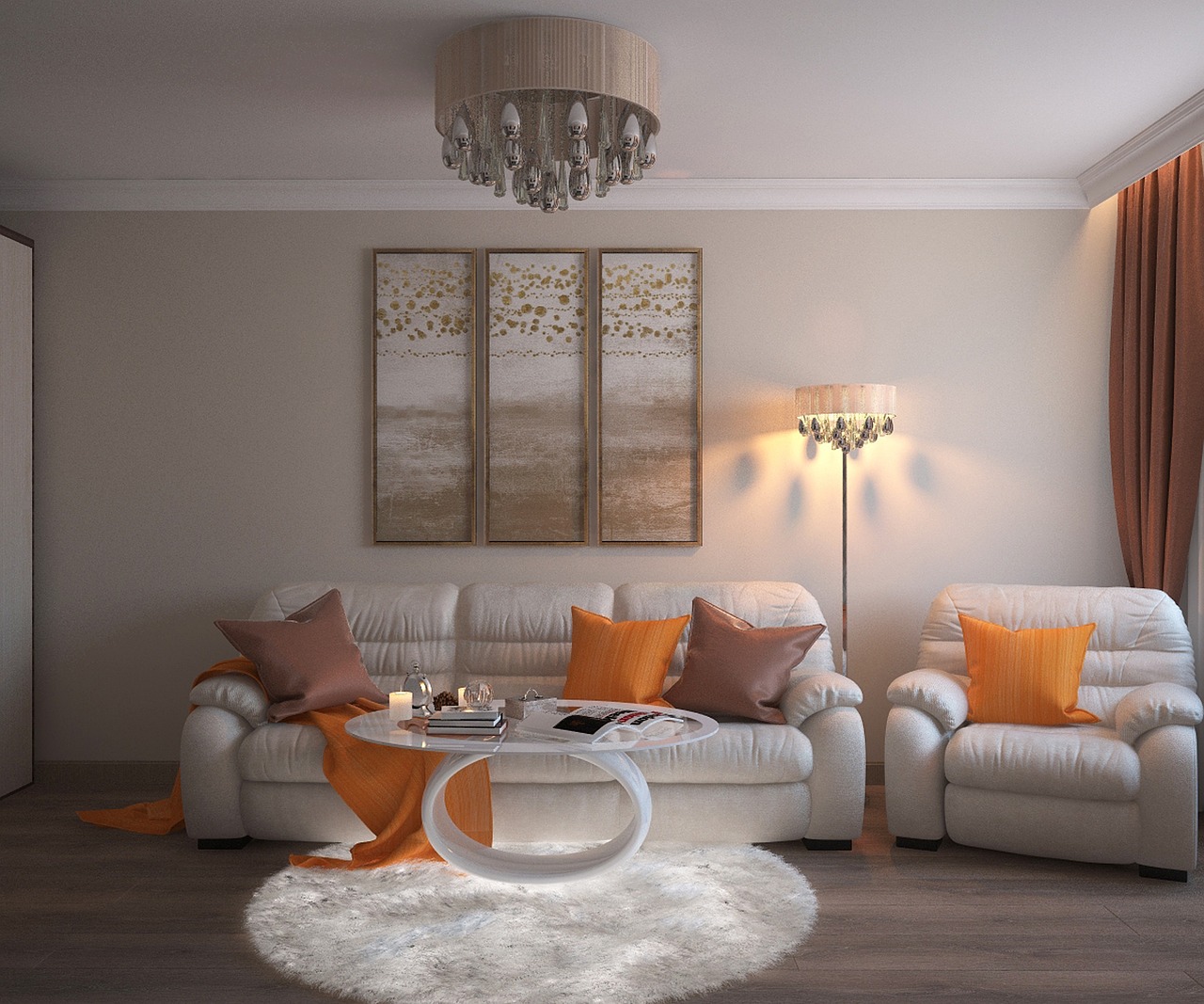
Choosing a painting for your living room sounds simple enough. You find something you like, pick a spot above the sofa and hang it up. But once you start looking, things get a little more complicated. Should you go for an abstract piece, a landscape or something more colourful ? What size works best ? And how do you make sure the artwork actually fits your room rather than looking like an afterthought ?
The truth is, the right painting can completely change the atmosphere of a living room. It can bring warmth to a neutral space, add personality to a minimalist interior or become the first thing people notice when they walk through the door. If you’re still exploring different artistic styles, a visit to
https://galerie-art-comparaison.fr can also help you discover new approaches to art and find inspiration before making your choice.
1. Start with the atmosphere you want to create
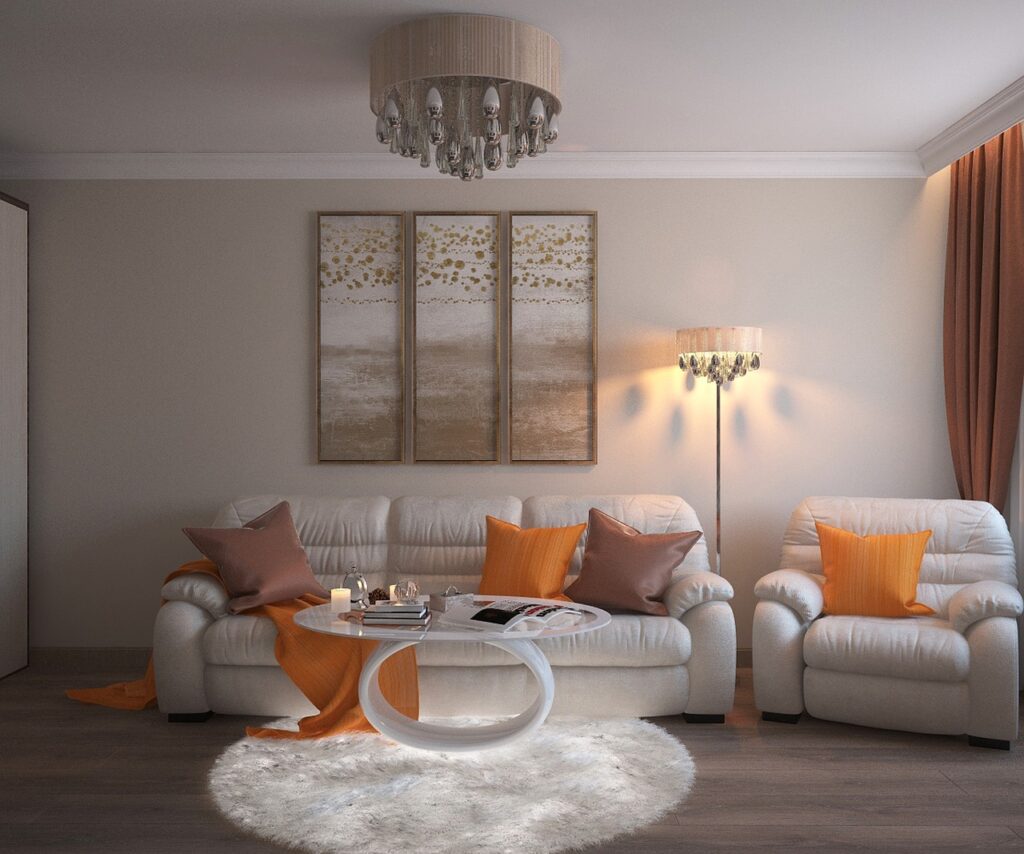
Before thinking about colours, frames or dimensions, take a moment to consider how you want your living room to feel.
Is it a cosy space where you relax after work ? A bright, welcoming room where friends and family gather ? Or perhaps a more contemporary interior with clean lines and a carefully chosen colour palette ?
Your painting should support that atmosphere.
For a calm and relaxing living room, landscapes, soft abstract compositions and nature-inspired artwork are often good choices. Think muted greens, warm beige, pale blues and gentle earth tones.
If you prefer a room with more energy, don’t be afraid of bold colours or expressive artwork. A large abstract painting with deep blue, burnt orange or vibrant red can bring life to an otherwise understated space.
Personally, I think artwork should add something to a room rather than simply match everything already there. A little contrast is often what makes a space interesting.
2. Choose the right painting size for your wall
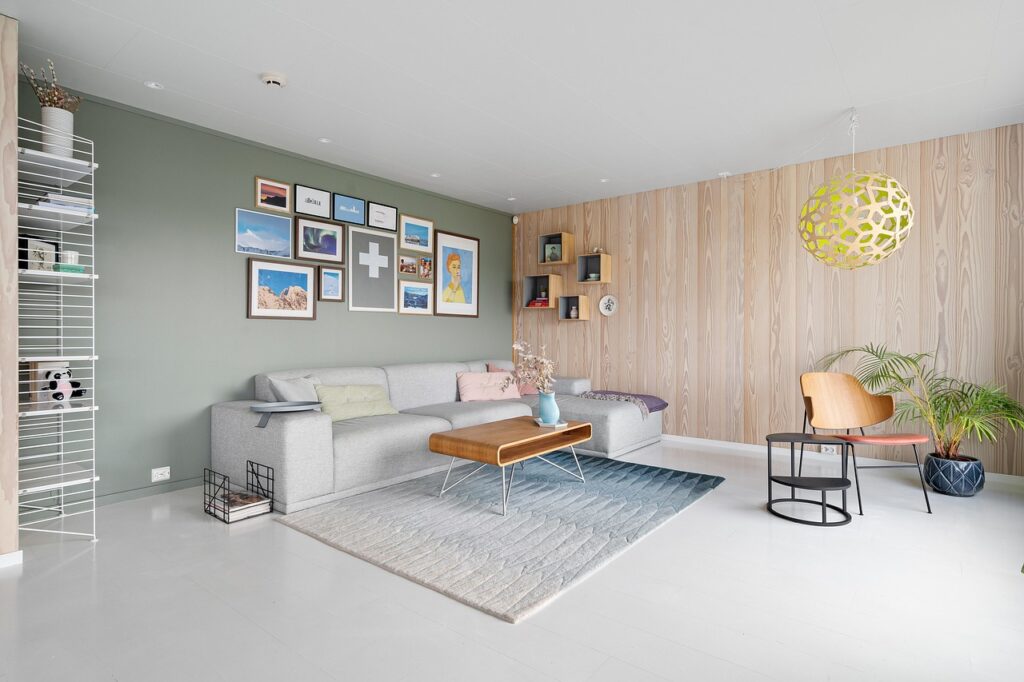
This is one of the most important things to get right. A beautiful painting can look completely out of place if its proportions don’t suit the wall.
A common mistake is choosing artwork that’s too small. You might find a lovely little painting, hang it above a large sofa and suddenly realise that it looks rather lost.
So, how big should your painting be ?
Here are a few practical guidelines :
Above a sofa : Aim for artwork that measures roughly two-thirds to three-quarters of the sofa’s width.
Above a fireplace : Choose a painting that fits comfortably within the width of the mantel, without overwhelming the surrounding area.
On a large empty wall : Consider one oversized painting or a carefully arranged group of smaller artworks.
In a narrow space : A vertical painting can make better use of the available wall area.
For example, if your sofa is 210 cm wide, a painting measuring around 140 to 160 cm could create a balanced look.
There’s no need to follow these measurements rigidly, of course. They’re starting points, not strict rules.
One simple trick ? Use masking tape to mark the outline of the painting on your wall before buying it. It takes two minutes and can save you from an expensive decorating mistake.
3. Pick colours that work with your existing decoration
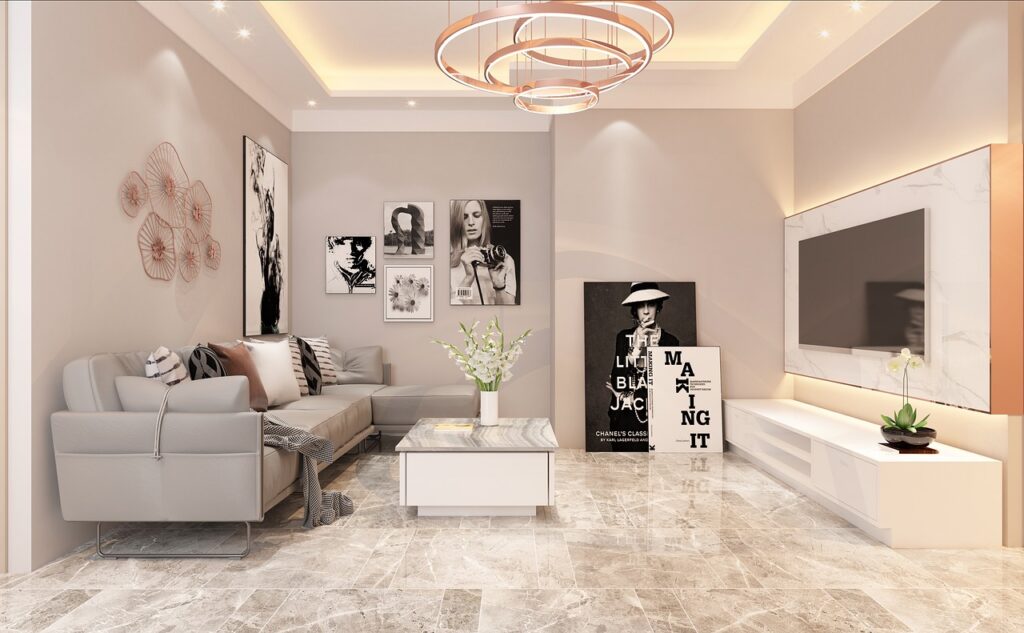
You don’t need to find a painting that matches every cushion, curtain and piece of furniture. In fact, that can make the whole room feel a little too coordinated.
Instead, look for colours that complement what you already have.
Start by identifying two or three dominant colours in your living room. These might come from your sofa, rug, curtains or even the flooring.
Then decide how you want your painting to interact with them.
If your living room has neutral colours
A beige, white or grey interior gives you plenty of freedom. You could introduce a colourful abstract painting to create a focal point, or choose a subtle composition in warm earthy shades for a softer result.
If your furniture is colourful
Try artwork that picks up one or two existing shades without repeating the entire colour scheme. This creates a visual connection without making the room feel too busy.
If your living room feels a little cold
Artwork featuring terracotta, ochre, warm brown or soft golden tones can help introduce a more welcoming feeling.
And don’t forget about natural light. Colours can look quite different depending on whether your living room faces north or south. A painting with cool blue tones, for instance, may feel more subdued in a room that receives little direct sunlight.
4. Abstract, landscape or figurative : which artistic style should you choose ?
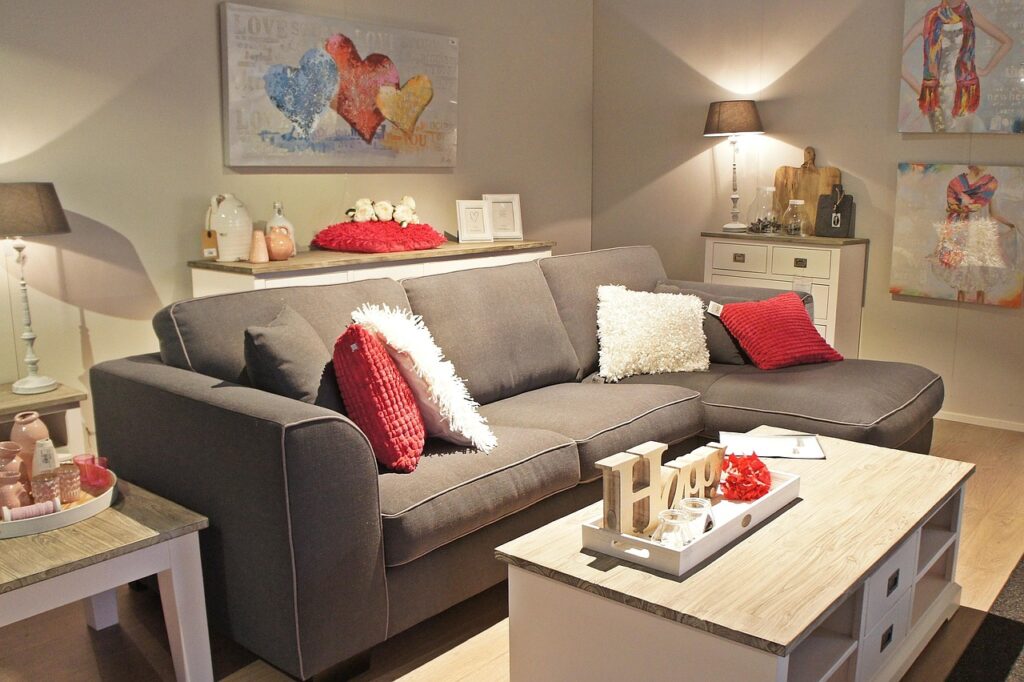
This is where things get more personal. The style of your painting says quite a lot about the atmosphere and personality of your home.
There isn’t one perfect style for every living room, but some options work particularly well in certain interiors.
Abstract paintings
Best for contemporary, minimalist and eclectic interiors.
Abstract art is a great choice if you want something expressive without necessarily depicting a recognisable subject.
It can introduce movement, colour and texture into a room. Some abstract paintings are bold and energetic, while others are surprisingly subtle.
They’re also useful when you’re trying to bring several colours together in one space.
Landscape paintings
Best for relaxed, natural and traditional interiors.
Landscapes can bring a sense of calm to a living room. Mountains, coastal scenes, forests and countryside views all offer different moods.
A soft landscape in green and blue tones can work beautifully with natural wood furniture, linen fabrics and neutral walls.
It’s a classic choice, but that doesn’t mean it has to feel old-fashioned.
Figurative paintings
Best for interiors that need character and a more personal touch.
Portraits and figurative compositions can give a room a stronger artistic identity.
They often become conversation starters, especially when the subject, colours or artistic technique stand out.
Botanical artwork
Best for bright, natural and cosy living spaces.
Leaves, flowers and botanical compositions are easy to incorporate into many decorating styles.
They work particularly well alongside plants, natural materials and soft colours.
My advice ? Don’t choose a style simply because it’s fashionable. Choose something you’d genuinely enjoy looking at every day.
5. Think about the frame as part of the artwork
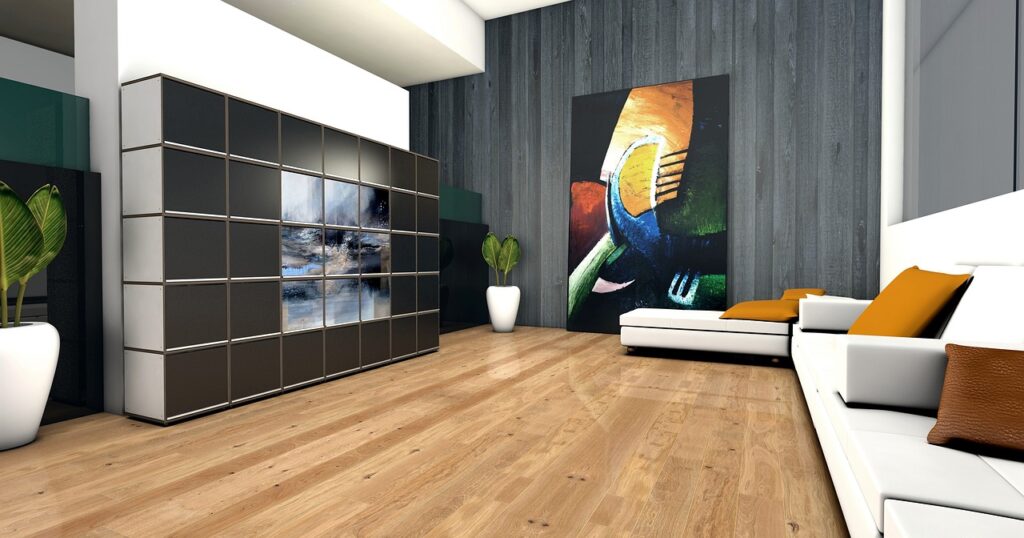
The frame might seem like a small detail, but it can make a surprising difference.
A simple black frame often works well in modern interiors, particularly when the artwork has strong lines or contrasting colours.
Natural wood frames bring warmth and are a lovely option for Scandinavian, rustic or relaxed interiors.
Gold frames can add a more traditional or elegant touch, while white frames tend to blend nicely into bright, understated spaces.
Of course, not every painting needs a frame. Some contemporary canvases are designed with painted edges and look perfectly finished without one.
There’s also the question of the passe-partout, the border between the artwork and its frame. It can give a print or drawing more breathing room and make a smaller piece feel more substantial.
The important thing is balance. A heavily decorated frame around an already busy painting can be too much.
6. Where should you hang a painting in your living room ?
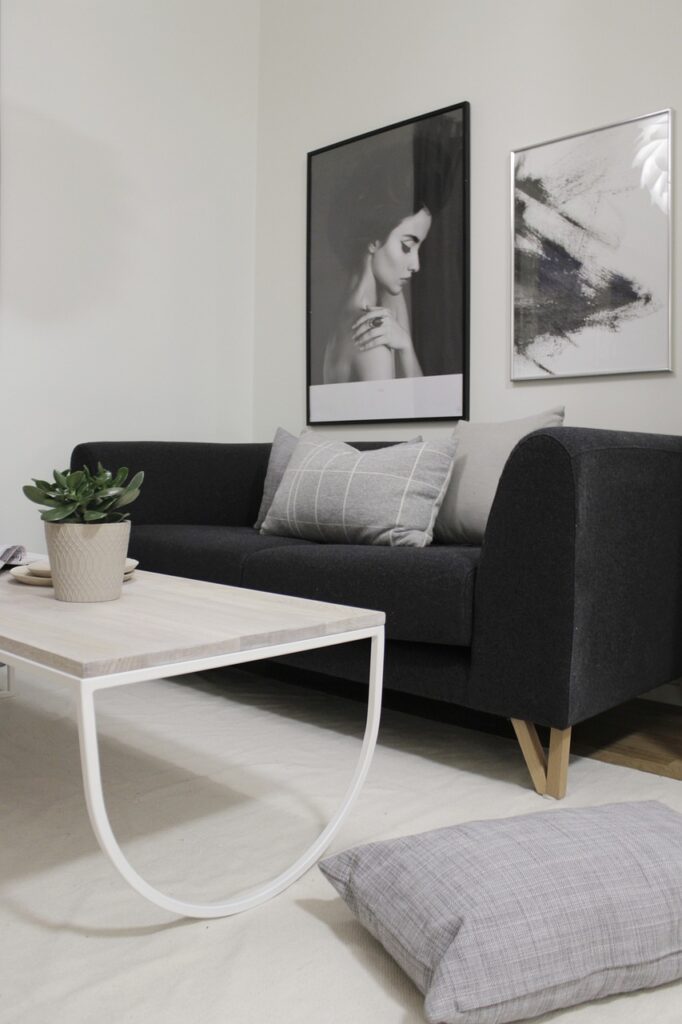
Even the right artwork can lose its impact if it’s hung in the wrong place.
The most obvious position is above the sofa, and for good reason. It’s usually one of the largest uninterrupted wall spaces in the room.
But there are other possibilities worth considering :
Above the fireplace : A natural focal point, especially in a traditional or classic living room.
Behind an armchair : A good way to create a small reading corner with its own personality.
On the main entrance wall : Perfect for making a strong first impression.
Above a sideboard : A lovely position for a medium-sized painting or a small collection of artworks.
As a general rule, the centre of a painting should sit around 145 to 155 cm from the floor. This is a useful gallery-style guideline based on average eye level.
When hanging artwork above a sofa, leave approximately 15 to 25 cm between the top of the sofa and the bottom of the frame. This helps connect the furniture and the artwork visually.
One more thing : avoid placing valuable or delicate artwork in direct sunlight. Prolonged exposure to UV light can cause colours to fade over time.
7. One large painting or several small ones ?
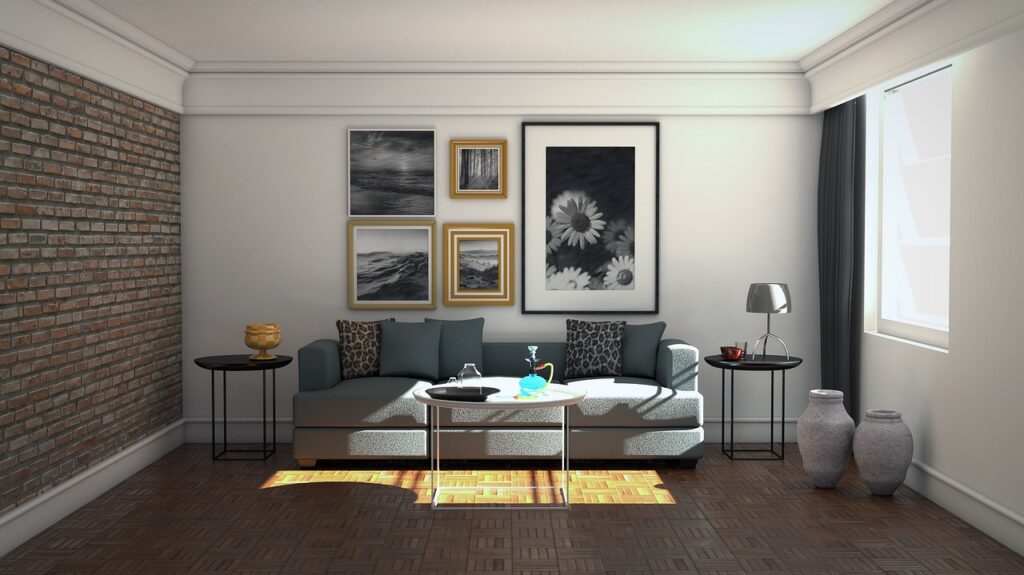
If you have a fairly large wall to decorate, you might be wondering whether to choose one statement piece or create a gallery wall.
Both options can look fantastic, but they create very different effects.
One large painting
A single oversized artwork gives the room a clear focal point. It’s often the better option if you prefer a clean, uncluttered look.
It works particularly well above a sofa or on a wide wall that feels a little empty.
Several smaller paintings
A gallery wall gives you more freedom to mix styles, colours, sizes and subjects.
You could combine abstract prints, landscapes, photographs and illustrations, provided there’s some visual connection between them.
For a more organised look, use frames in similar colours and keep the spacing consistent. Around 5 to 8 cm between frames is a good starting point.
If you prefer something more relaxed, experiment with different frame sizes and arrangements. Just plan the layout on the floor before making holes in the wall.
Personally, I find gallery walls most successful when they look collected over time rather than bought as one perfectly matching set.
8. Original painting, print or reproduction : what should you buy ?
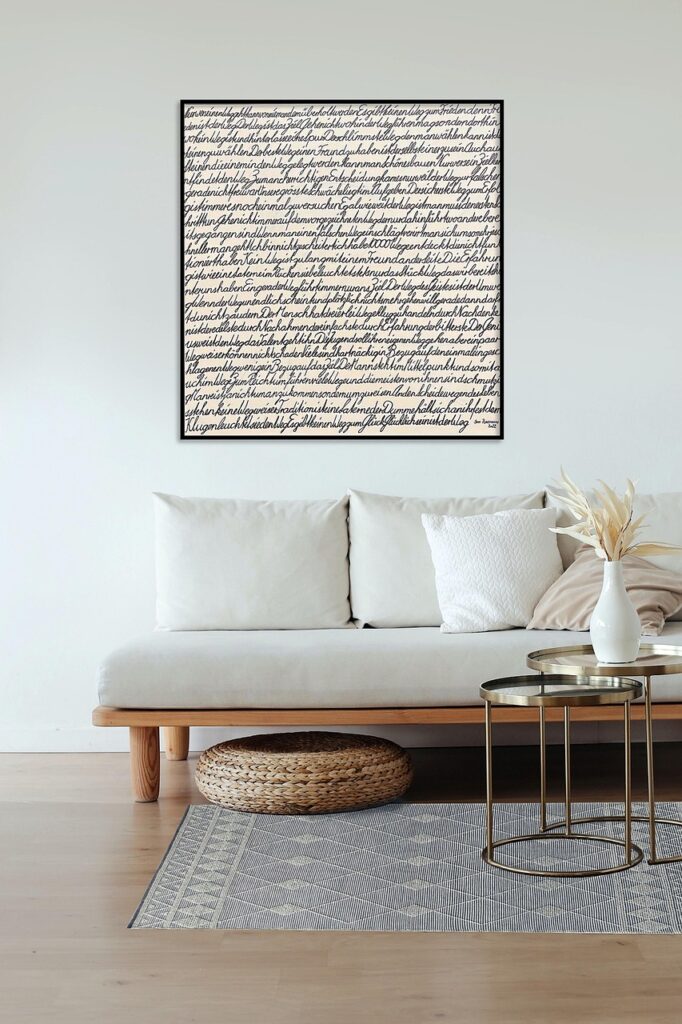
Your budget will naturally influence your decision, but it’s worth understanding the differences before choosing.
Original paintings
An original painting is a unique work created by an artist. It may be made using acrylic, oil, watercolour or another medium.
If you value originality and want something with its own artistic identity, this can be a particularly rewarding choice.
Prices vary considerably depending on the artist, dimensions, technique and reputation.
Art prints
Prints make artwork more accessible and are available in a wide range of styles and sizes.
They’re a practical option if you want to decorate several rooms or change your wall art occasionally without spending too much.
Reproductions
A reproduction is a copy of an existing artwork. The quality can vary depending on the printing process, paper and materials used.
If you’re considering a reproduction, check the image quality, dimensions and printing details before purchasing.
There’s no universally better option here. A thoughtfully chosen print can look wonderful in a living room, while an original painting can offer a more personal connection to the artwork.
What matters most is choosing something that suits your taste, your space and your budget.
9. Don’t forget the personality of your living room
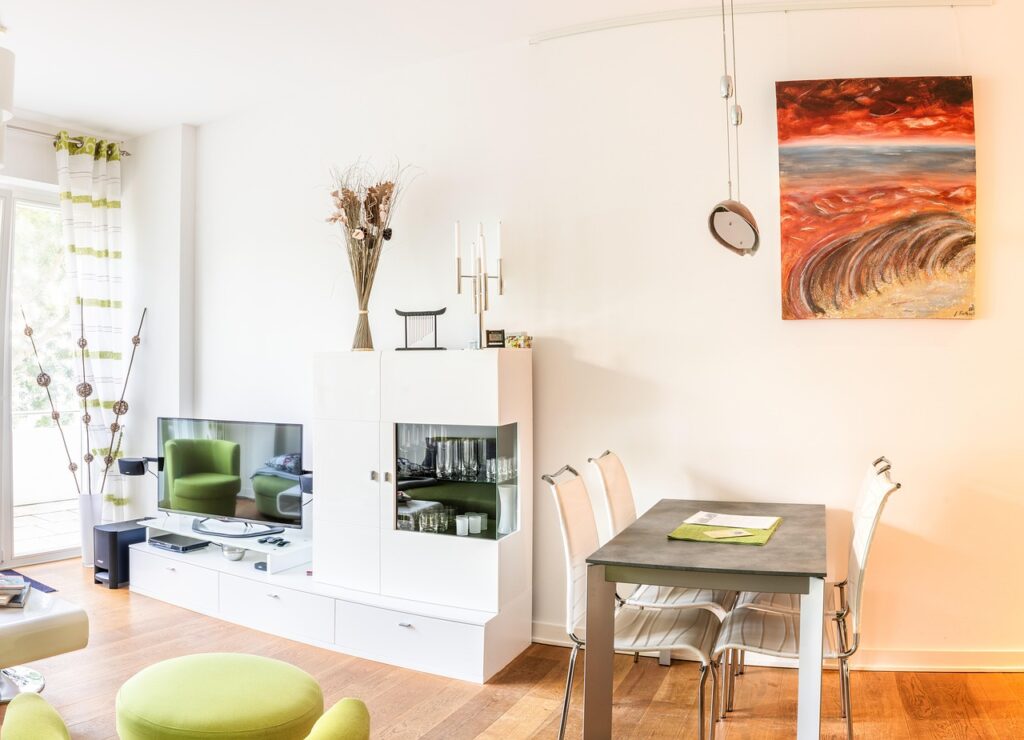
Here’s something that’s easy to overlook when decorating : your living room doesn’t need to look like a furniture showroom.
A painting is an opportunity to express your personality.
Perhaps you love Mediterranean landscapes because they remind you of holidays. Maybe you’re drawn to colourful abstract compositions, vintage illustrations or minimalist black-and-white artwork.
Whatever your preference, let it influence your choice.
You can also use artwork to introduce a style that isn’t necessarily present elsewhere in the room. A contemporary painting in a traditional interior, for example, can create an interesting contrast.
Don’t be afraid to mix things up a little. Sometimes the most memorable interiors are the ones that don’t follow every decorating rule.
10. What mistakes should you avoid when choosing a living room painting ?
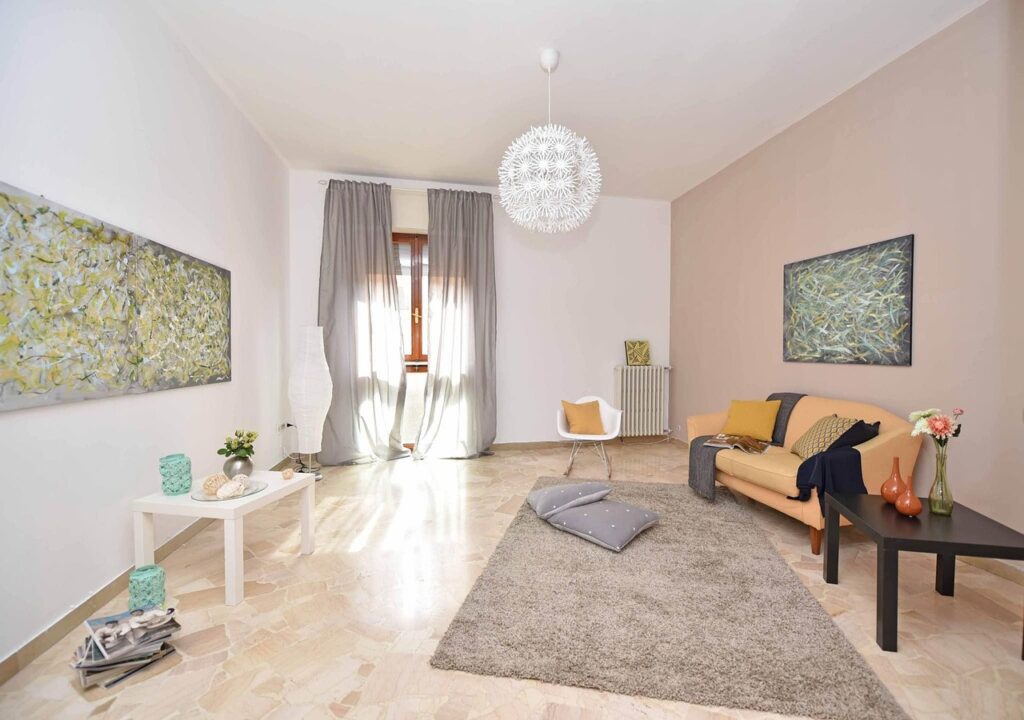
Before making your final decision, keep a few common mistakes in mind.
Choosing artwork that’s too small
A tiny painting on a huge wall can look disconnected. Always consider the proportions of the furniture and the available wall space.
Matching every colour too closely
Your artwork doesn’t have to repeat the exact shade of your sofa. A complementary colour or an unexpected contrast can be much more interesting.
Ignoring the lighting
A painting may look completely different in a bright showroom compared with your living room. Think about natural light and artificial lighting before buying.
Following trends without considering your taste
Trends come and go. If you choose a painting only because it’s popular on social media, there’s a good chance you’ll get tired of it.
Buying without checking the dimensions
Always check the actual measurements, including the frame if there is one. Product photographs can be misleading, especially when they’re shown in large, beautifully staged interiors.
Final thoughts : choose a painting you’ll enjoy living with
Choosing a painting for your living room isn’t just about filling an empty wall. It’s about finding something that makes the space feel more like yours.
Start with the atmosphere you want, think carefully about size and colours, and explore different artistic styles before making a decision. Consider your budget too, but don’t assume that a beautiful piece of art has to cost a fortune.
And perhaps the most important advice of all : take your time.
A painting is something you’ll probably see every single day. It should make you stop and look at it occasionally, even after you’ve had it on the wall for months.
Whether you choose a striking abstract composition, a peaceful landscape or a simple art print, the best choice is ultimately the one that feels right in your home.